The Art and Benefits of Thai Massage: A Journey to Relaxation and Healing
Thai massage, a traditional healing practice rooted in ancient Thai and Ayurvedic medicine, is more than just a method of relaxation—it’s a holistic approach to wellness. Unlike Western-style massages that focus primarily on muscle manipulation, Thai massage incorporates stretching, acupressure, and energy balancing techniques to promote physical and mental harmony.
Origins and Philosophy
Thai massage, also known as Nuad Thai, has been practiced for centuries in Thailand, influenced by Indian and Chinese medicinal traditions. It is based on the concept of sen energy lines, which are similar to meridians in Chinese medicine. Practitioners believe that working along these lines helps clear blockages, restoring the body’s natural energy flow.
Legend attributes the origins of Thai massage to Shivago Komarpaj, a physician believed to have treated the Buddha himself more than 2,500 years ago. Over time, his knowledge merged with Thai healing traditions, creating the therapeutic practice we know today. Modern Thai massage is heavily influenced by Thai culture, incorporating elements of meditation and mindfulness into each session.
Techniques and Experience
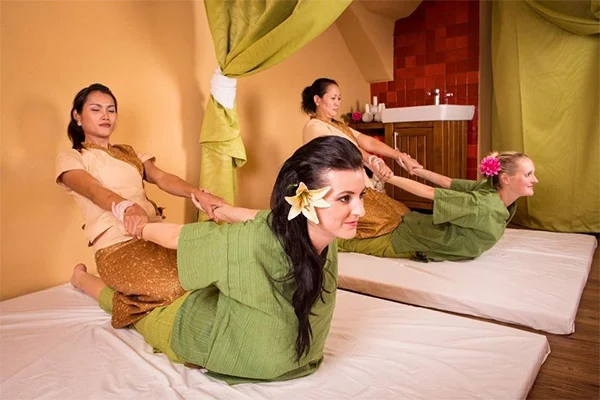
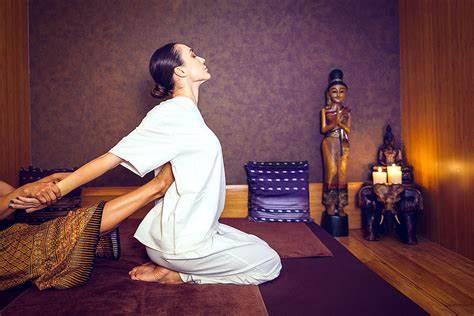
Unlike traditional oil-based massages, Thai massage is performed dry, without the use of lotions or oils. Instead of lying passively on a massage table, clients participate more actively. A typical Thai massage session takes place on a firm mat on the floor, with the recipient wearing loose, comfortable clothing to allow free movement.
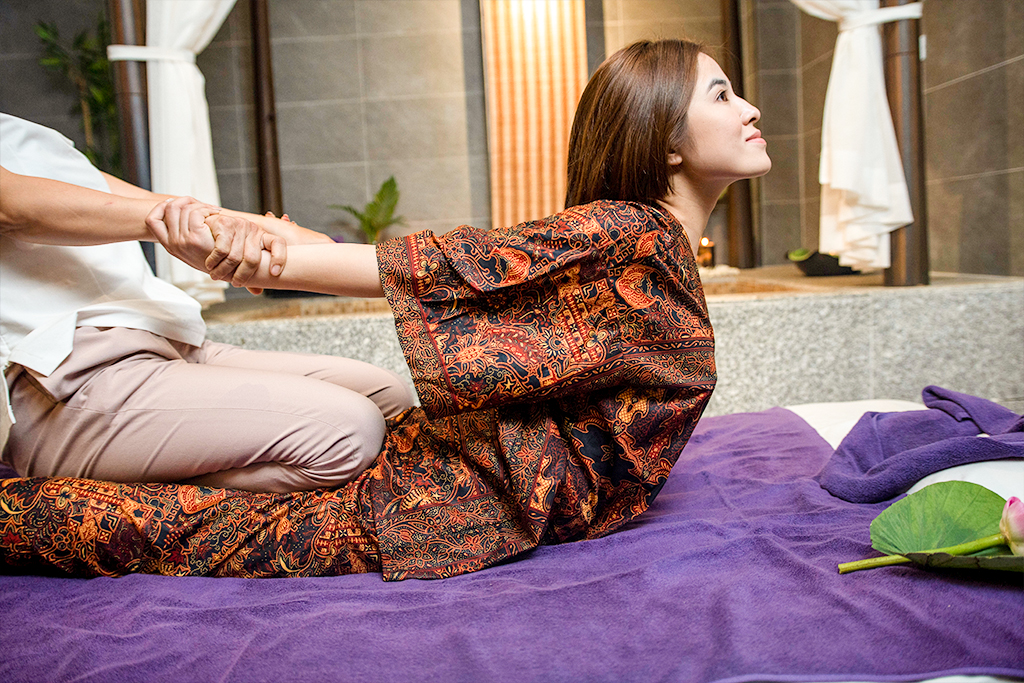
The practitioner uses their hands, elbows, knees, and even feet to apply pressure and guide the body through a series of yoga-like stretches. This dynamic process helps improve flexibility, relieve tension, and enhance circulation. Some techniques involve rhythmic rocking motions, deep compressions, and gentle twisting maneuvers that encourage energy flow throughout the body.
Many people describe Thai massage as a blend of assisted yoga, acupressure, and meditation. The rhythmic nature of the massage helps synchronize breathing and relaxation, leading to a profound sense of well-being.
Benefits of Thai Massage
Thai massage is renowned for its numerous health benefits, including:
1. Improved Flexibility and Mobility
The assisted stretching techniques in Thai massage work like a passive yoga session. They help loosen stiff muscles and joints, making it particularly beneficial for athletes, dancers, or individuals recovering from injuries.
2. Pain Relief
The deep pressure and strategic stretching techniques effectively reduce chronic pain, especially in the back, shoulders, and legs. Thai massage can alleviate tension headaches, migraines, and muscle aches caused by long hours of sitting or standing.
3. Stress Reduction and Relaxation
The rhythmic and meditative nature of Thai massage fosters relaxation and emotional balance. Slow, deliberate movements allow for deep breathing, which can help reduce stress levels and improve overall mood.
4. Enhanced Circulation and Detoxification
Gentle pressure promotes blood flow, aiding in detoxification and rejuvenation. Improved circulation means better oxygen delivery to the muscles and organs, contributing to overall vitality and health.
5. Boosted Energy Levels
By improving energy flow along the sen lines, Thai massage helps combat fatigue and enhances vitality. Many people experience a refreshing surge of energy after a session, making it a great option for those struggling with sluggishness or exhaustion.
6. Improved Posture and Alignment
Thai massage works on the body’s natural alignment, helping to correct postural imbalances caused by poor habits, prolonged sitting, or muscle tension. The stretching and pressure techniques encourage better posture and spinal health.
Is Thai Massage Right for You?
Thai massage is suitable for individuals of all ages, though some techniques may be intense for beginners. If you’re new to Thai massage, start with a gentle session and communicate with your therapist about your comfort level.
Some people may experience mild soreness after a Thai massage due to deep stretching and muscle activation, but this is normal and usually subsides within a day. Hydrating well after a session can help flush out toxins released during the massage.
For those seeking relaxation, pain relief, or improved mobility, Thai massage can be an excellent addition to their wellness routine.