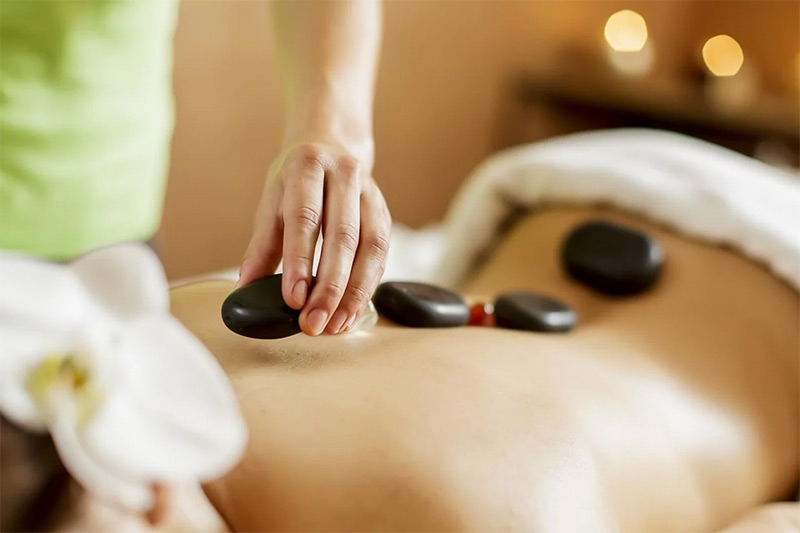
The Profound Benefits of Neck, Shoulder, and Head Massage
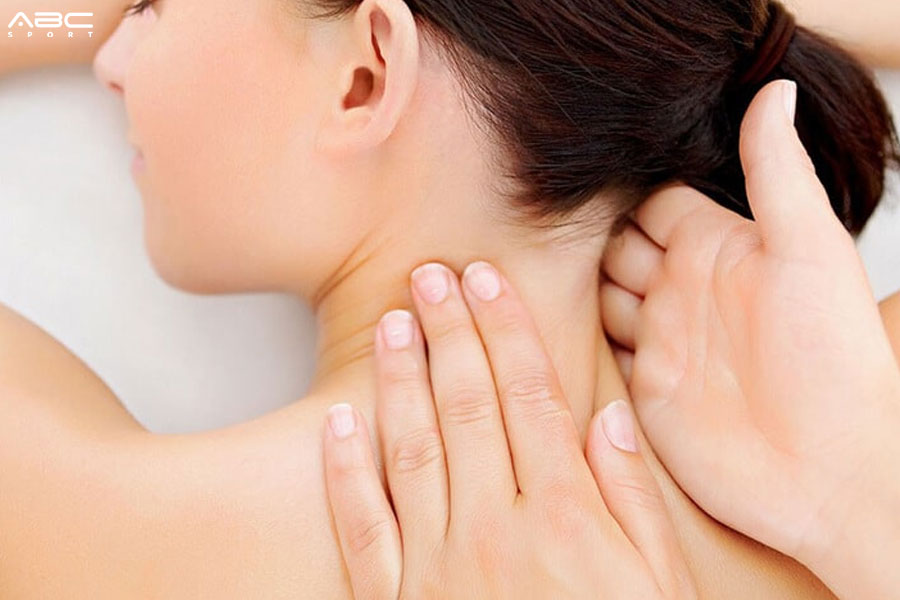
The Profound Benefits of Neck, Shoulder, and Head Massage
In the hustle and bustle of daily life, stress and tension accumulate in some of the most vulnerable areas of our body—our neck, shoulders, and head. We often neglect these regions until discomfort turns into pain, affecting our mood, energy levels, and overall well-being. However, the ancient practice of massage offers a powerful solution, unlocking deep relief and restoration through targeted techniques that enhance both physical and mental health.
The Art and Science Behind Neck, Shoulder, and Head Massage
Massage therapy dates back thousands of years, originating from traditional healing practices in ancient civilizations. Whether it’s Thai, Shiatsu, deep tissue, or Ayurvedic massage, all variations share a common goal—reducing tension, improving circulation, and promoting harmony between body and mind.
The neck, shoulders, and head are particularly sensitive areas due to the complex network of muscles, nerves, and blood vessels that support our posture, movement, and cognitive functions. Daily activities such as working at a desk, carrying heavy bags, or even prolonged screen use can lead to strain. A well-performed massage helps counteract these effects by stimulating blood flow, relieving pressure points, and restoring balance in the nervous system.
1. Relieving Deep-Seated Muscle Tension
One of the most immediate and noticeable effects of a neck, shoulder, and head massage is muscle relaxation. Stress causes the muscles in these areas to contract and become rigid, leading to soreness, stiffness, and even headaches. By applying gentle pressure and kneading techniques, massage therapists work to break up tight knots, release tension, and restore flexibility.
The relief is almost instant—many people report a sensation of warmth and lightness as blood circulation improves and oxygen reaches the muscles more effectively. Over time, regular massage sessions help prevent chronic tightness and discomfort.
2. Enhancing Circulation and Oxygen Flow
Poor circulation can lead to feelings of sluggishness and fatigue. Since the neck and head house essential blood vessels that transport oxygen to the brain, tension in this area can restrict circulation, resulting in dizziness, headaches, and even difficulty concentrating.
Massage techniques, such as gentle strokes, acupressure, and scalp stimulation, encourage healthy blood flow and ensure that the brain receives the nourishment it needs. This enhanced circulation not only improves mental clarity but also aids in the removal of toxins that accumulate in the muscles.
3. Reducing Stress and Anxiety
Modern lifestyles contribute to heightened stress levels, which take a toll on both physical and mental health. Massage therapy helps regulate stress hormones by triggering the release of endorphins, serotonin, and dopamine—the body’s natural mood enhancers.
When pressure is applied to certain areas of the head, such as the temples and base of the skull, it signals relaxation responses in the nervous system. Many people describe the experience as soothing, almost meditative, as tension fades and the body enters a state of deep tranquility.
4. Alleviating Headaches and Migraines
For those who suffer from tension headaches or migraines, massage therapy can be life-changing. Painful headaches are often caused by tight muscles in the neck and shoulders putting pressure on nerves, restricting blood flow, and triggering inflammation.
Through slow, rhythmic movements and targeted pressure on trigger points, a massage helps loosen these muscles, reduce nerve compression, and create a sense of relief. In some cases, regular massage therapy has been shown to decrease the frequency and intensity of migraines over time.
5. Improving Sleep Quality
Many people underestimate the connection between muscle tension and sleep disturbances. When the body is tense, it struggles to enter a fully relaxed state, leading to difficulty falling and staying asleep.
Massage therapy promotes deep relaxation, allowing the nervous system to transition into a state conducive to restful sleep. The stimulation of pressure points in the head and neck also encourages the production of melatonin, the hormone responsible for regulating sleep cycles.
Conclusion: A Small Investment with Big Returns
Neck, shoulder, and head massage is more than just a feel-good experience—it’s a fundamental practice for maintaining physical and mental health. Whether you seek pain relief, stress reduction, improved circulation, or simply a moment of peace in your busy day, incorporating massage into your wellness routine can be profoundly beneficial.